Networked audio is the real-time distribution of uncompressed digital audio signals through Ethernet networks. The signal transmission is done by structured cabling such as CAT.5e or CAT.6 and optical fibre cabling. This technology allows transmit/receive up to 512 channels through a single cable (although depends on the protocol and system used). In this way, the common audio devices in audio systems (mixing consoles, stage boxes…) have to be adapted to work with networks using cards (NIC = Network Interface Card), hardware and/or specific software to be able to send and receive information in an Ethernet network. Some networked audio protocols (layer 2, such as CobraNet or EtherSound) use the MAC address to send/receive data; others, such as Dante or AES67, use IP addresses.
You can design audio networks of large dimensions that are, at the same time, easy to handle by selecting audio sources/destinations with a single click.
Among the best known protocols are: Dante, Ethersound, Cobranet… they are different, among other things, because of the OSI layer they use.
It is important to know how to choose a correct category cable. For that, you should pay attention to its shielding, whether its core is rigid, and if its jacket will be durable enough.
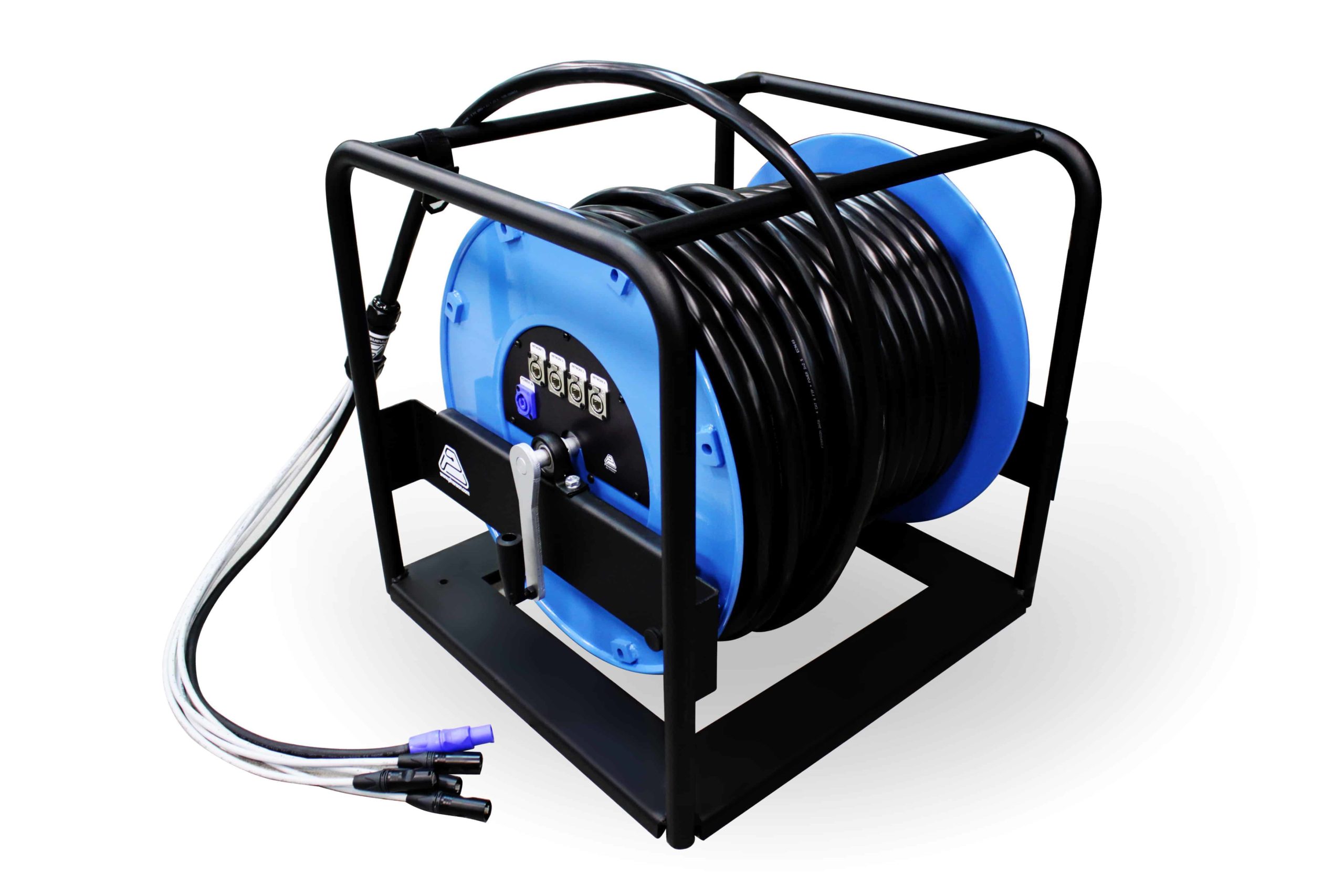
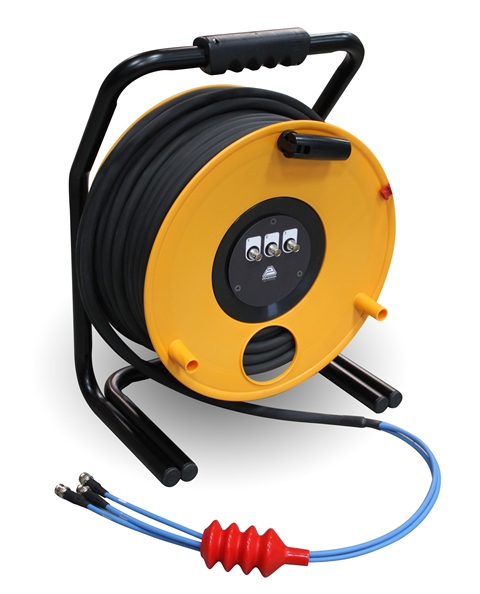
Pinanson product for Networked audio
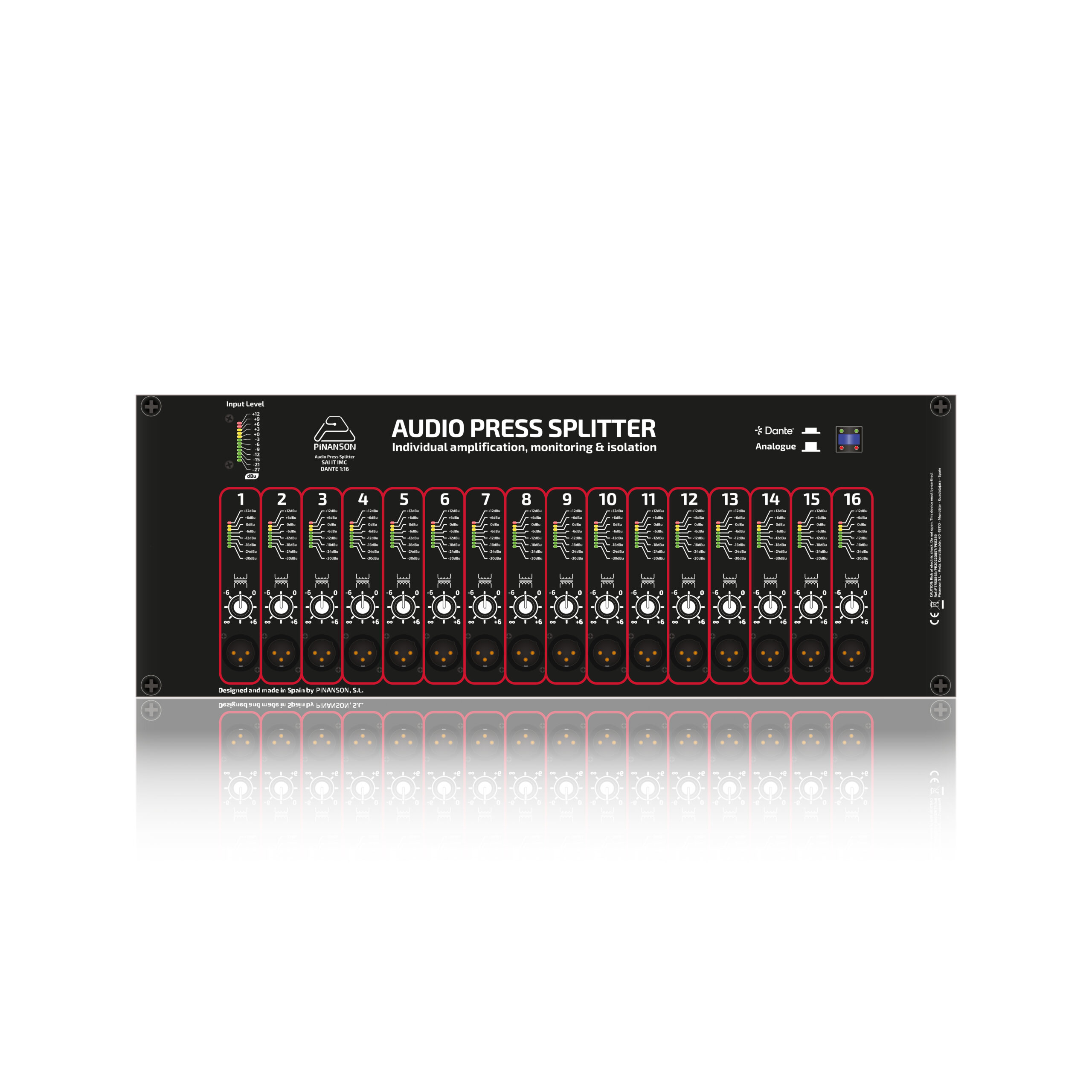
Press splitter with Dante network audio signal input in addition to line level analog audio.