
An opera house is a large-scale performing arts centre, a space where seeing and hearing the live performance perfectly is paramount.. Taking into account that emblematic plays are performed on these stages, and since the recording is made for posterity, it must be as faithful as possible to the live performance.

How is the microphone signal distributed in an Opera House?
In places as emblematic as the Sydney Opera House, all the signals generated on a stage need to be received by 3 consoles: FOH, MONITORS AND RECORDING.
- FOH console: the signals are received from the stage to be mixed, processed and sent to the PA speaker system.
- Monitor Console: the signals are received from the stage to be mixed, processed and sent to the monitoring systems of the musicians, singers or actors on stage.
- Recording Console: the signals are received from the stage to be mixed, processed and sent to the recording system.
For these signals to be distributed flawlessly, free of noise or interaction problems between the consoles, the signal must be split through transformers, achieving::
- High Common Mode Rejection Ratio, thanks to the high CMRR of high-quality transformers.
- Elimination of the famous ground loops, thanks to the galvanic isolation of the transformer, and capacitive noise reduction, thanks to the Faraday Shield of high quality transformers.
- A proper ground reference for each individual signal, thanks to the Ground Lift option, which lets each output take its ground reference from the input or lift it.

Some answers about microphone splitters
Is any transformer okay? Not all transformers have a Faraday shield, not all transformers have a flat frequency response, not all transformers have low distortion. Each transformer has its application and special high quality microphone transformers are needed to transmit microphone signal.
In what situations is there a null ground reference? In battery-powered equipment the ground is floating: it has no reference to earth.
If I have a Faraday shield, why do I need Ground Lift? When using a ground lift mic splitter, the ideal way to use it is “open”. That is, each receiver has its own ground reference.
But there are situations where poor grounding of connected audio equipment or the use of battery-powered equipment can leave the output without a ground reference (floating ground). Closing the Ground Lift switch (putting the isolated outputs in contact with the direct output equipment) could solve the noise problem. Therefore, it is included as one more option for noise removal.
I have noise and I don’t know where it comes from? If there is ground noise and when changing the ground reference with the Ground Lift it does not disappear, the problem is most likely in the signal itself and is not noise caused by the connection between different equipment.
In the most important OPERA HOUSES, what type of MICRO-LINE distributors are used?
Sydney Opera House and Australian Chamber Orchestra Walsh Bay, Yuen Long Theater and Tuen Mun Town Hall (Hong Kong), QF Convention Center (Qatar), Polskie Radio Katowice and Radio Lublin (Poland)… they all have something in common: Pinanson equipment for the distribution of audio signals.
The use of a Pinanson 1DX2 MIC/LINE splitter allows for each channel: phantom power through the direct output and isolated distribution to 2 outputs with the option of lifting the ground (Ground Lift) of each output individually. All this multiplied by the number of channels available for each show.
While their primary function is distribution, these devices can vary to meet client needs in other aspects, such as::
- Number of isolated outputs: it can be 1 isolated output (recording console) or 2 isolated outputs (recording console and monitors).
- Type of connectors: ranging from the most popular XLR, LK or Harting to Euroblock, EDAC or D-SUB (used for permanent installation).
- Patching Module: if you need to reorder the signals that come from the stage.
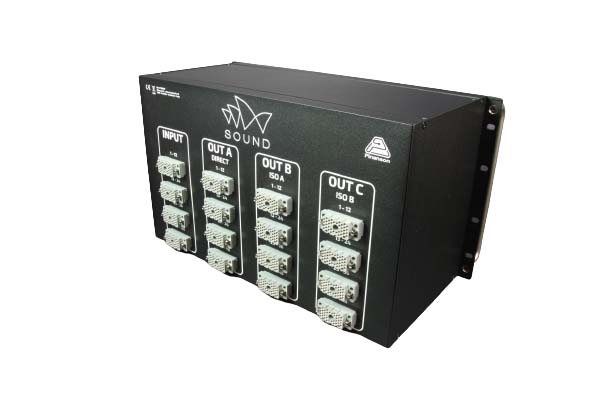
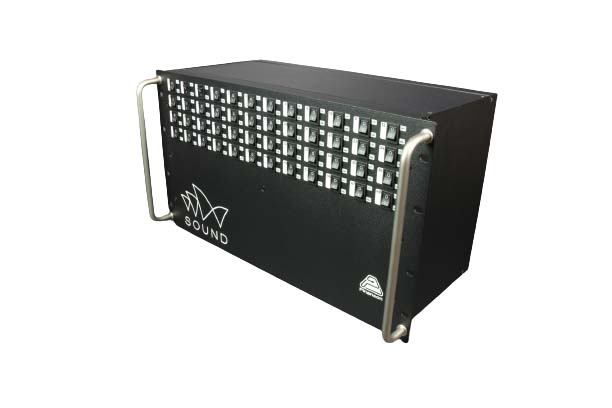
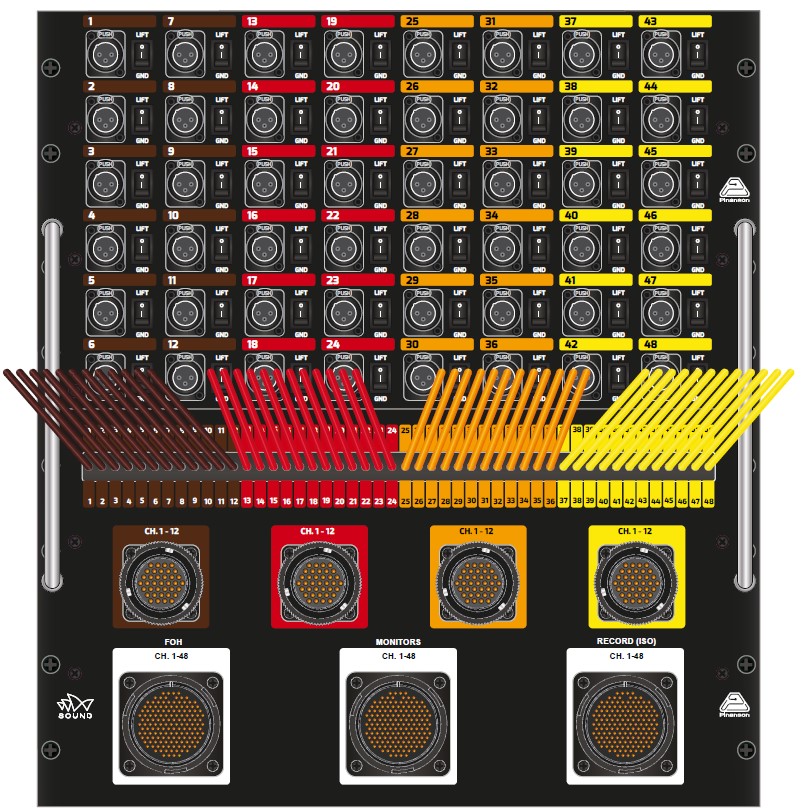
Photo: PTRS0197 is a 48-channel rack-mount splitter. Input, Direct, Isolated A and Isolated B outputs on EDAC. Manufactured for SYDNEY OPERA HOUSE (Australia)
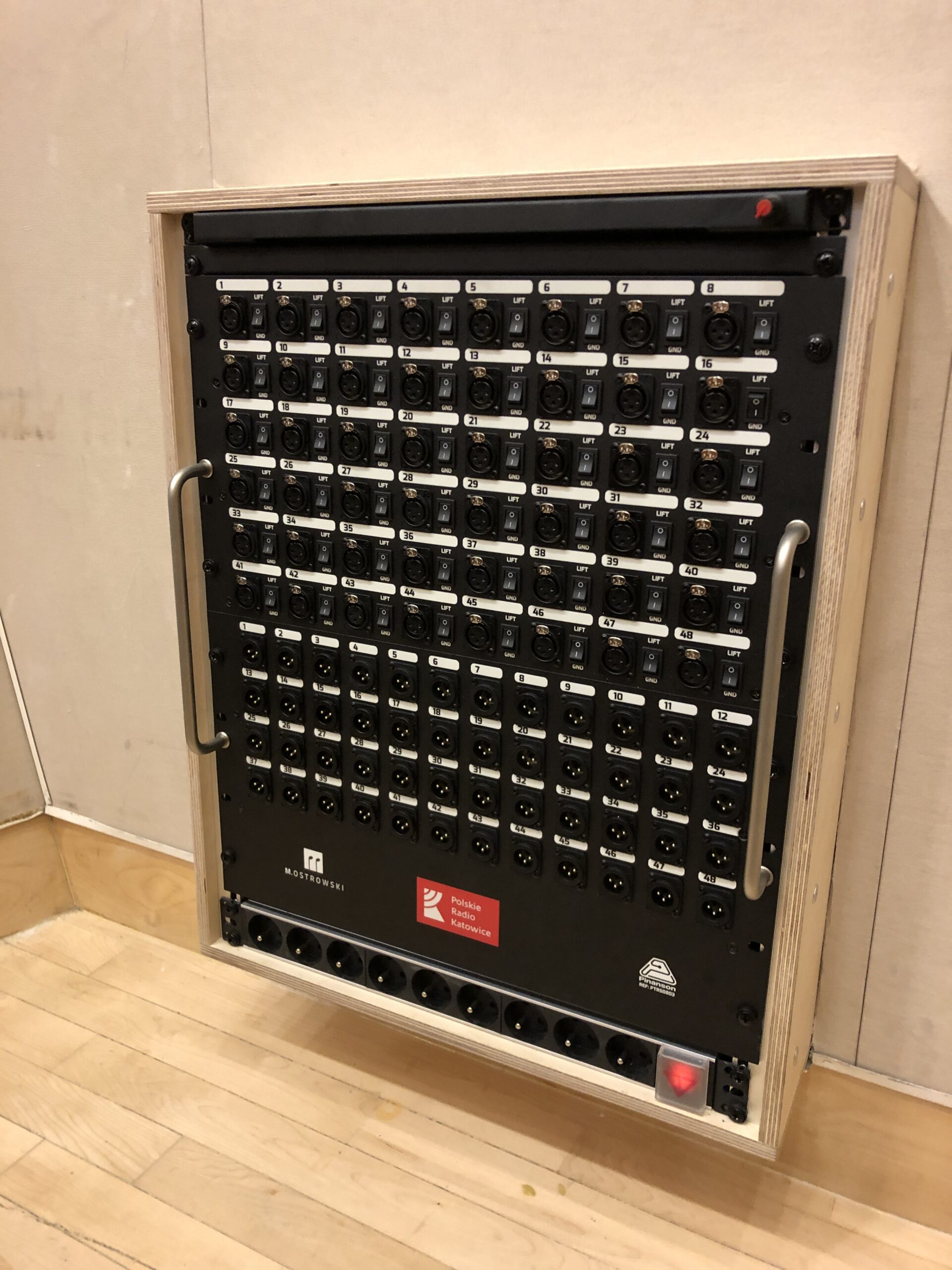
Photo: PTRS0803 is a 48-channel rack-mount splitter. Input on XLRF, Direct output on D-sub 25, Isolated output on XLRM. Installed at POLSKIE RADIO KATOWICE (Poland) by M.Ostrowski
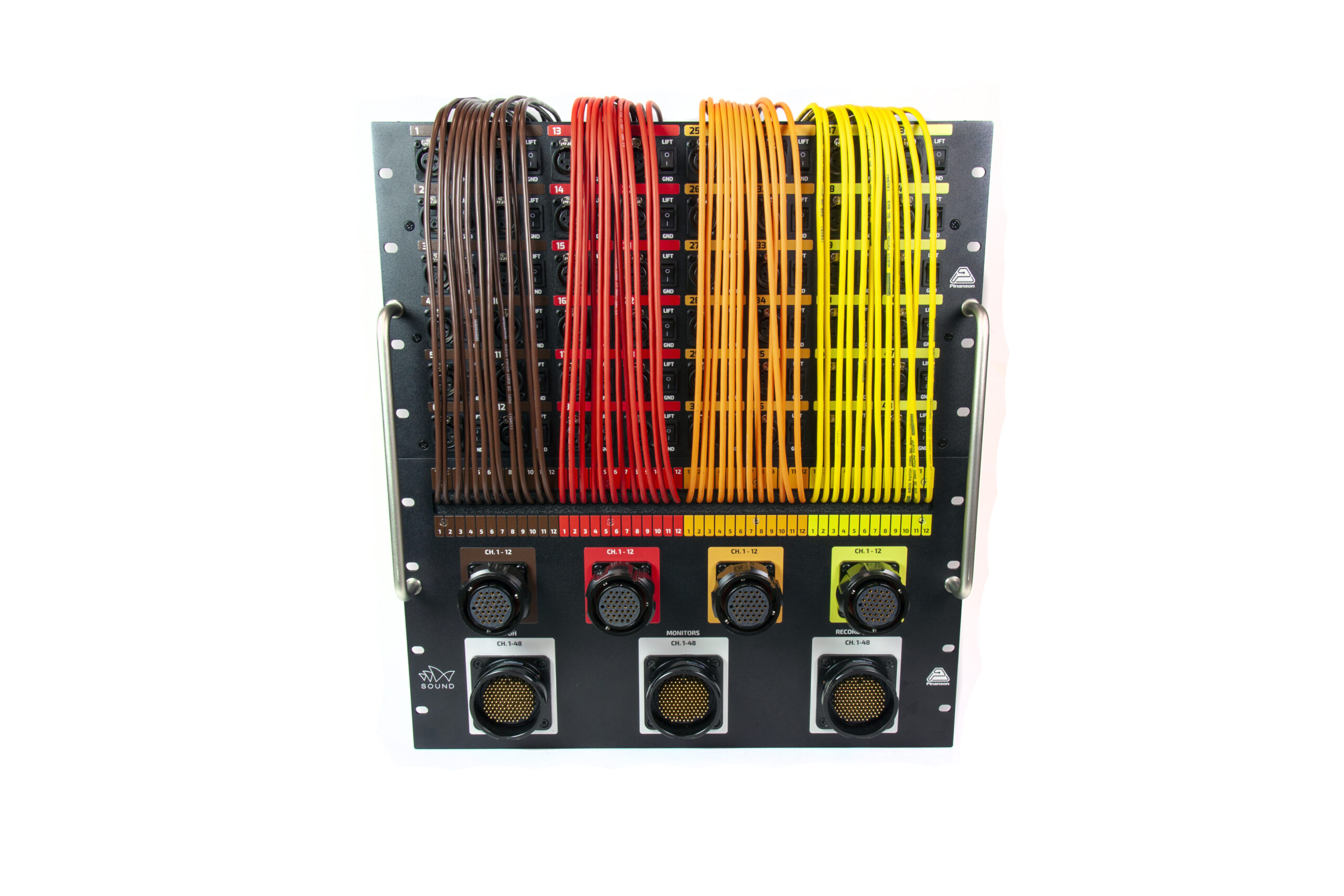
Photo: PTRS2628 is a 48-channel rack-mount splitter. Input on XLRF, Direct output to FOH and Monitors? on LK150M Isolated output to Record on LK150M. Remote boxes input on LK37F and patching on XLRM. Manufactured for SYDNEY OPERA HOUSE (Australia)
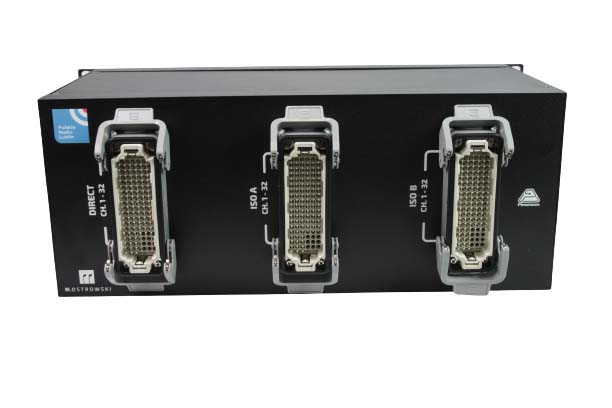
Photo: PTRS2368 is a 32-channel rack-mount splitter. Input on XLRF, Direct, Isolated A and Isolated B outputs on Harting 108M Installed at RADIO LUBLIN (Poland) by M.Ostrowski.
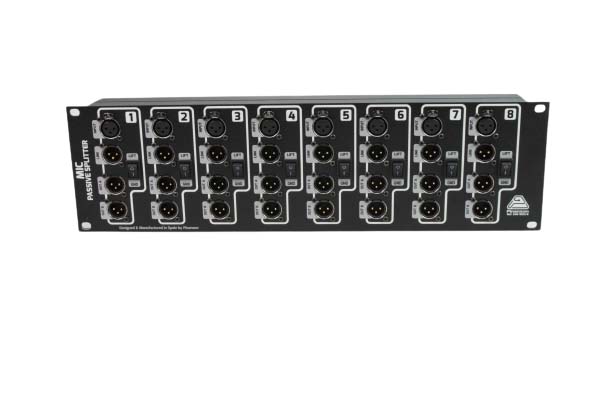
Photo: PT1411 is an 8-channel rack-mount splitter. Input on XLRF, Direct, Isolated A and Isolated B outputs on XLRM. Modular splitter installed at the AUSTRALIAN CHAMBER ORCHESTRA WALSH BAY.
Other devices manufactured for Opera Houses around the world
In addition to audio distributors for micro-line, venues such as the Helsinki Opera House (Finland), the Gothenburg Royal Opera and Boras Stadsteater in Sweden, the Teatro Real in Madrid (Spain), the Csiky Gergely Theater (Hungary), the Kwai Tsing Theater (Hong Kong), Esbjerg Musichouse (Denmark), QF Ceremonial Court (Qatar) have Pinanson devices such as AV boxes or custom-made Digi racks in their facilities.
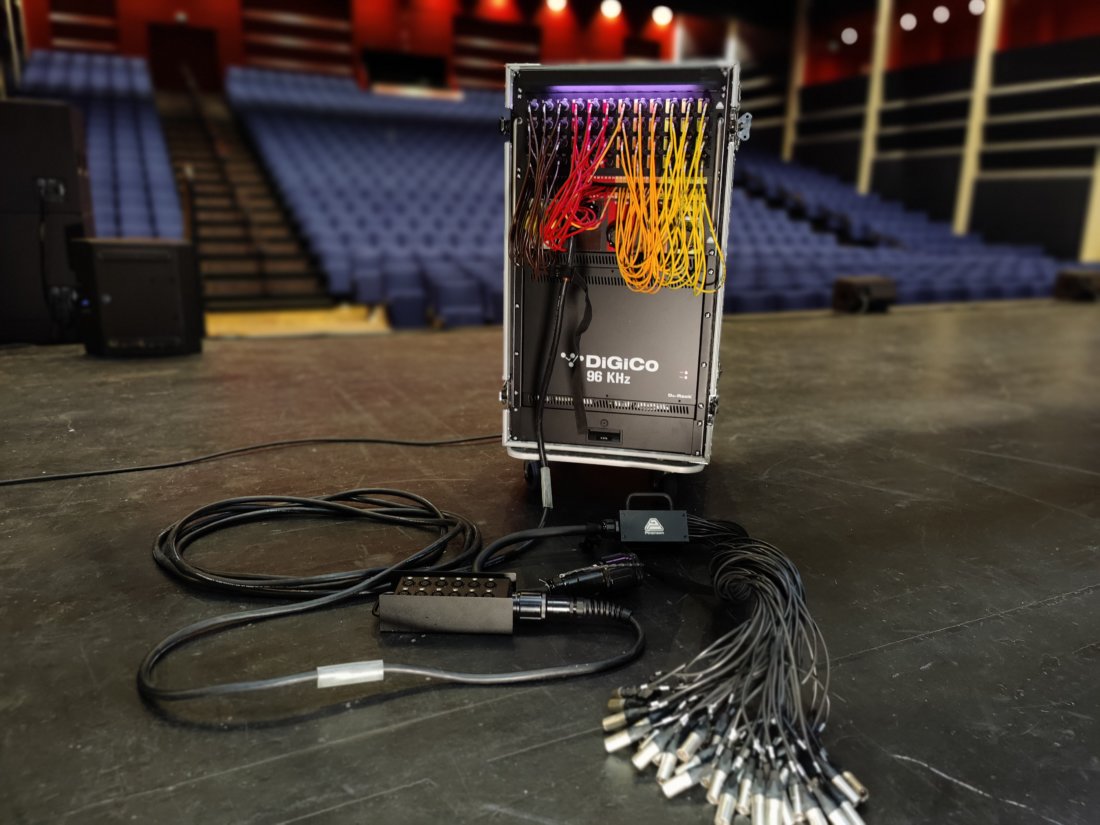
REF.: PTR9224
Custom Digi Rack Box to be installed in the ESBJERG MUSICHOUSE (Denmark)
Photos courtesy of Henrik Bonné of Matrix Sales.
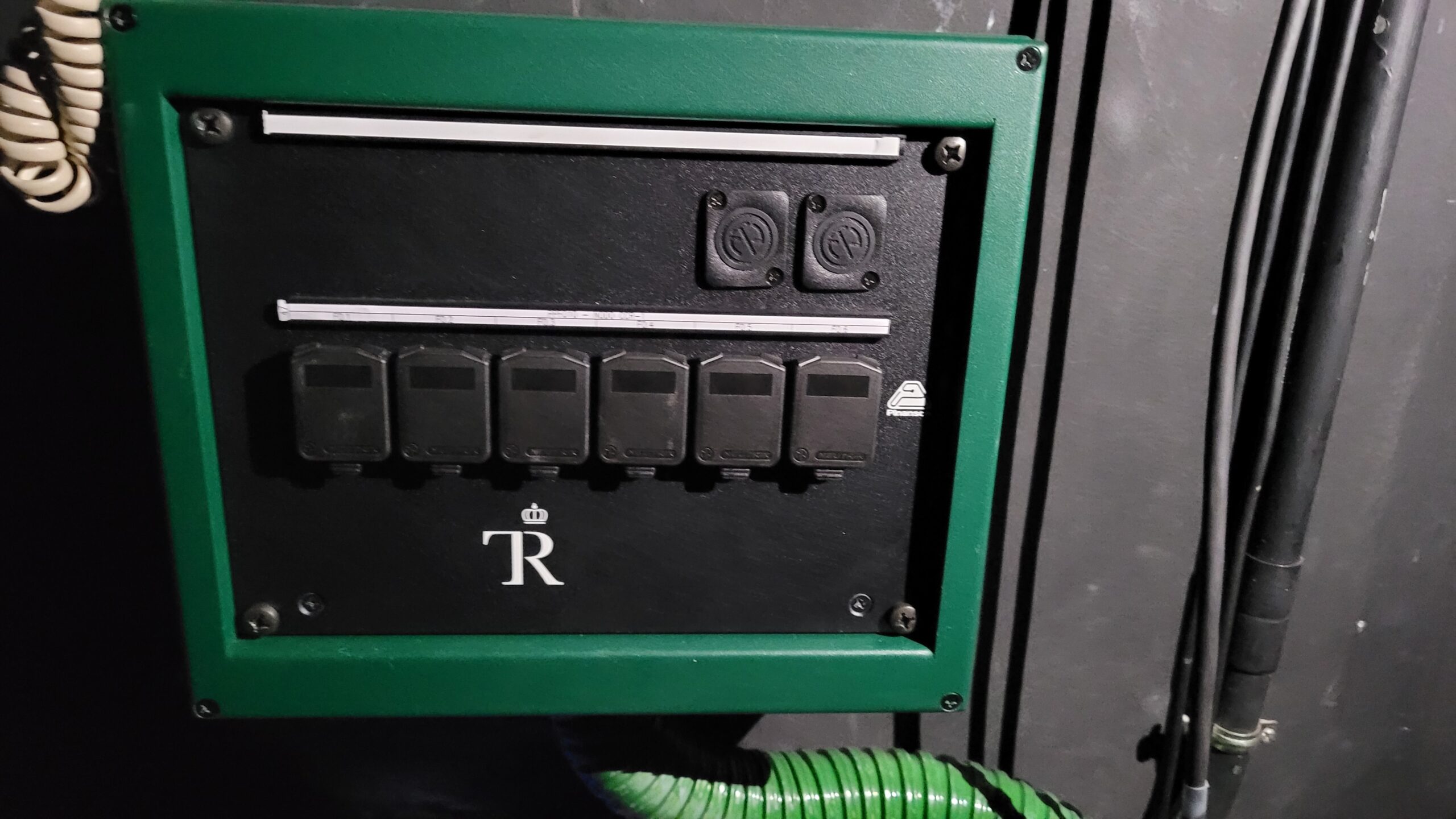
REF.:PTRS2442
AV boxes made to measure to be installed in TEATRO REAL DE MADRID (Spain).
Photos courtesy of Antonio Ollero Benítez in collaboration with TSA.
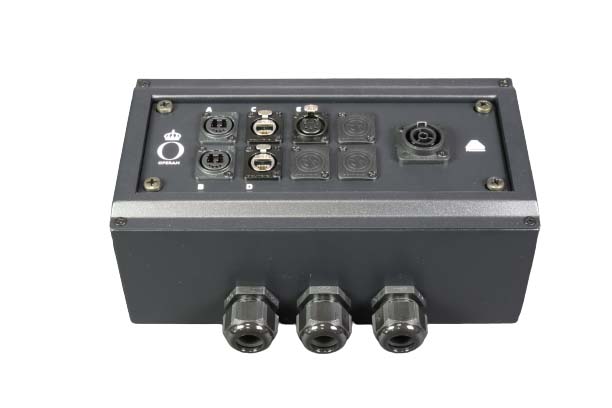
REF.:PTRS3645
WALL RACK AV boxes made to measure to be installed in the ROYAL SWEDISH OPERA (Sweden)
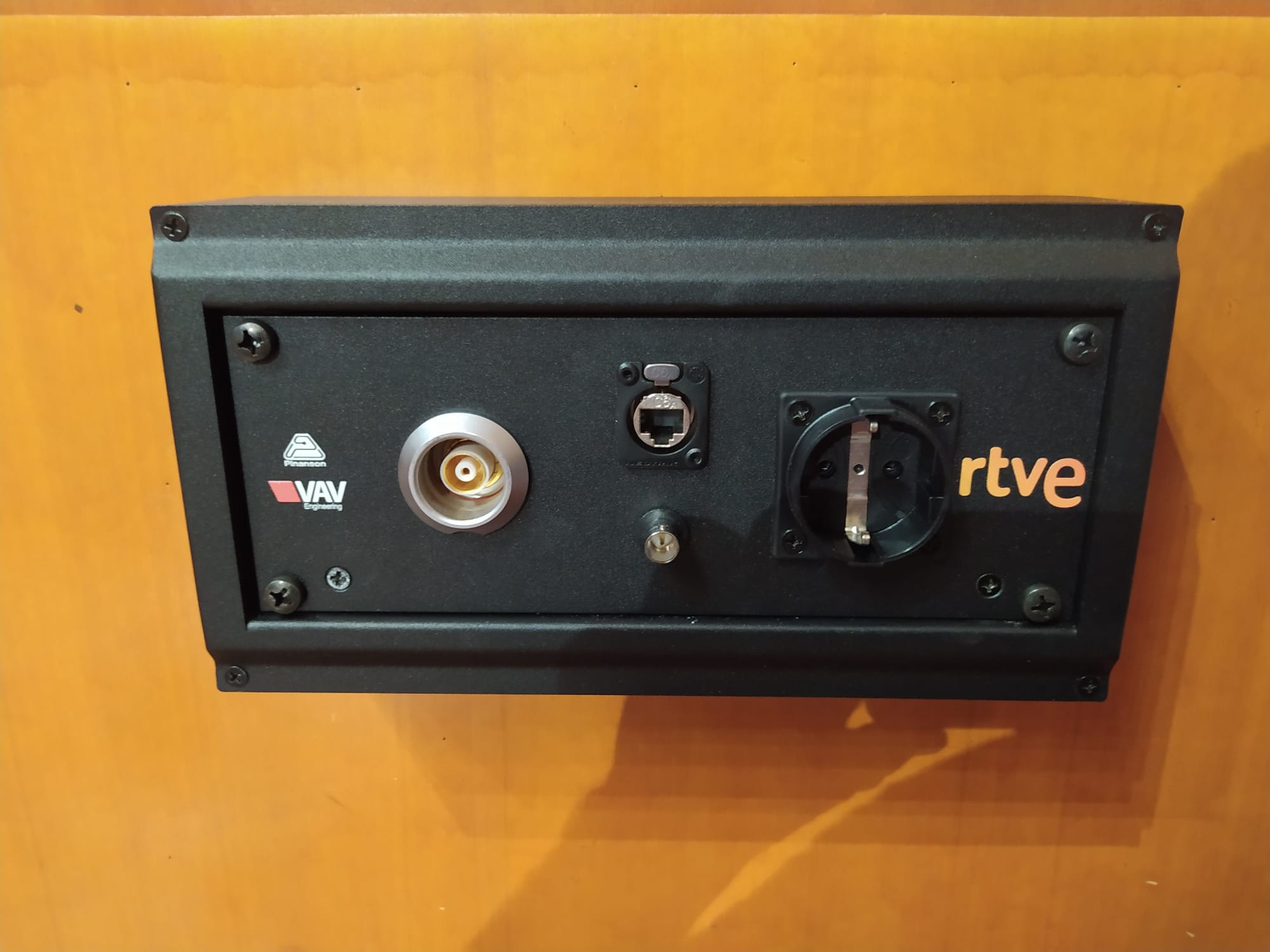
REF.: PTRS1736
BUILT-IN WALL RACK AV boxes made to measure to be installed in the MONUMENTAL THEATER OF MADRID (SPAIN).
Photo courtesy of Antonio Salas of VAV
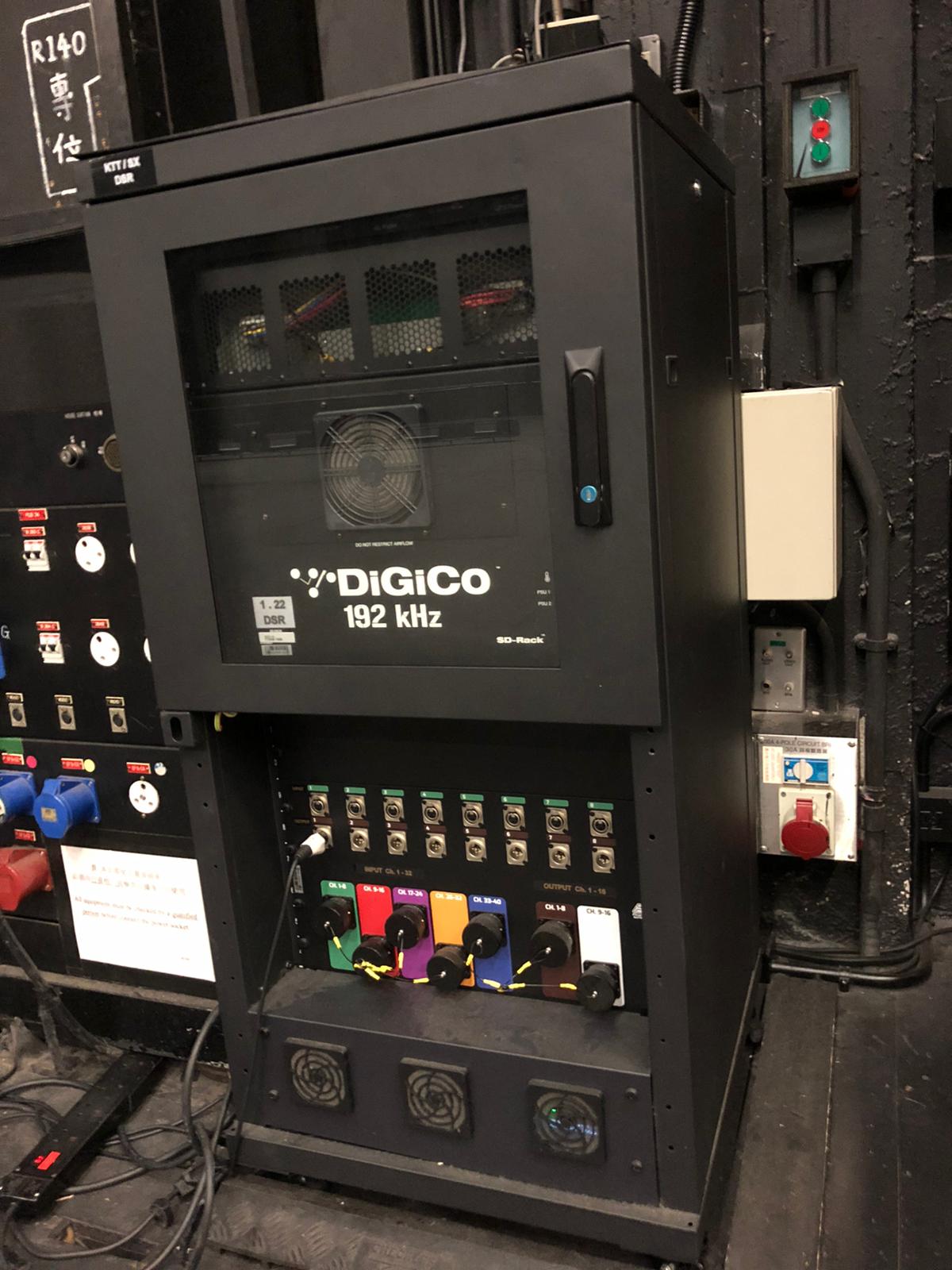
REF.: PTRS6929
Customized Digi Rack Box to be installed in the KWAI TSING THEATER (Hong Kong)
Photo courtesy of Ching Lui of L-Supply
“Pinanson, the power of the invisible”